

Logistics costs are a nightmare for most medium-sized businesses. Numerous goods await delivery to destinations all around Canada, and keeping track of each shipment is near-impossible. The good news is: it is easy to reduce costs and optimizing logistics in your Mississauga business – especially with all the great logistics partners around that handle 99% of the job for you.
Here’s just how much time and money you are losing by handling logistics inefficiently in your business. Keep reading to learn 5 simple ways you could turn delivering shipments and receiving goods into a breeze rather than a burden.
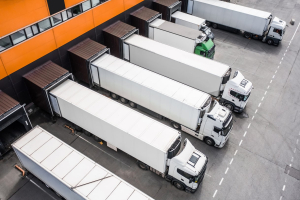
Here’s How Much Time and Money You’re Losing by Handling Logistics Inefficiently in Your Business
- Inefficient logistics can result in businesses losing up to 20-30% of revenue due to supply chain issues such as delayed deliveries, excess inventory, and resource mismanagement.
- According to the Council of Supply Chain Management Professionals (CSCMP), logistics costs typically account for 8-10% of a company’s total revenue.
- Businesses in Mississauga, being a key logistics hub, face challenges, including traffic congestion, high warehousing costs, and regulatory compliance issues.
- Logistics inefficiencies also lead to wasted employee time, missed or late deliveries, and higher operational expenses.
- A survey by Convey shows that 84% of shoppers wouldn’t return to a retailer after a poor delivery experience, highlighting the impact of logistics on customer retention.
These hidden costs can pile up quickly, leading to reduced profitability and lost opportunities.

5 Ways You Can Save Money by Optimizing Logistics in Your Mississauga Business
1. Partner With a Logistics Provider That Understands Your Business
Choosing the right logistics partner can have a significant impact on your bottom line. It’s essential to work with providers who have a strong presence in the Mississauga area and are familiar with the specific needs of your sector.
Look for logistics companies that have worked with businesses in your sector to make sure that your partner understands your specific needs. For example, a freight provider that has experience in shipping fruits and vegetables have a better idea of the conditions they must be kept in, and the dos and don’ts.
2. Choose Full Truckload (FTL) Shipping for Large Orders
If your business frequently ships large quantities of goods, switching to Full Truckload (FTL) shipping can significantly reduce transportation costs. FTL shipments mean your goods will fill an entire truck, offering faster delivery times and lower per-unit shipping costs compared to Less-than-Truckload (LTL) options.
Why FTL? FTL reduces handling risks since the truck is only carrying your goods, ensuring fewer stops and less chance of damage. This is particularly valuable for businesses with high-value or fragile products.
When to use it? If your shipments consistently take up most of the truck space, FTL is the more cost-effective option.
3. Leverage Intermodal Shipping for Long-Distance Freight
For businesses moving freight long distances, especially across provinces or internationally, consider using intermodal shipping—a combination of truck and rail. Rail is significantly cheaper for long-distance transportation and can handle heavier freight loads.
Why Intermodal? It offers cost savings by using the fuel efficiency of rail for the majority of the trip, with trucks handling the first and last miles. It’s especially useful for non-time-sensitive shipments that can afford slightly longer delivery times.
When to use it? If your goods are not time-critical and travel over 1,000 kilometers or cross-country, intermodal can reduce shipping costs by up to 20%.
4. Implement Cross-Docking to Reduce Warehouse Costs
Cross-docking is a logistics practice where incoming shipments are directly transferred to outbound transportation, reducing or eliminating the need for long-term storage in a warehouse. This process can dramatically lower warehousing costs and speed up delivery times.
Why Cross-Docking? By minimizing storage time, businesses can reduce inventory holding costs and streamline the flow of goods. It is ideal for perishable items, fast-moving consumer goods, or businesses that focus on Just-In-Time (JIT) inventory.
When to use it? Use cross-docking when you have high-turnover products or when immediate distribution is essential.
5. Consolidate Shipments to Reduce Transportation Costs
If you frequently ship small quantities of goods, consolidating multiple smaller shipments into fewer, larger ones can drastically reduce transportation costs. Partner with a logistics provider that specializes in shipment consolidation to avoid paying for multiple partial loads.
Why Consolidation? Combining shipments allows businesses to share transportation costs and improve load efficiency, reducing the overall cost per unit shipped.
When to use it? If you’re frequently shipping small batches, especially to the same destination, consolidation is the ideal solution to cut costs.

Looking to optimizing Logistics Costs?
We are here to help!
If you are trying to save money on logistics in your Mississauga business, contact us at Stream Logistics, Mississauga, ON for the right solution.
Stream Logistics is a part of TFI – a recognized North American transportation and logistics leader, partnering with a diverse group of businesses in the US and Canada. Our network of sister companies will help you move your goods across Canada with ease, sparing you time and energy to focus on improving your products and services.





 imunify-bot-check