

Canadian e-commerce has crossed a threshold that most businesses didn’t fully anticipate. What was once a supplementary sales channel has become, for many retailers, the primary one — and with it, the fulfillment infrastructure required to keep up has grown from a nice-to-have into a genuine operational necessity. We’ve worked with businesses across all stages of that growth curve, from single-location importers to multi-channel distributors shipping coast to coast. The pattern is consistent: the brands that scale successfully are the ones that solve their warehousing and distribution problems before those problems solve them.
Here’s what the 3PL fulfillment picture looks like for Canadian online retailers right now.
Why Homegrown Fulfillment Breaks Down at Scale
Most e-commerce businesses start by fulfilling orders themselves. It works — until it doesn’t.
The inflection point usually arrives when order volume starts competing with everything else: purchasing, customer service, product development, marketing. At that stage, the warehouse isn’t just a storage space anymore. It’s a daily operational drain that requires labour management, equipment, inventory systems, and physical space that grows faster than revenue does.
The math shifts quickly. A leased warehouse that made sense at 200 orders a month becomes a liability at 2,000 — not just in cost per square foot, but in the management overhead required to run it. The business is no longer scaling its product. It’s scaling its logistics infrastructure. Those are two very different things, and conflating them is one of the more common reasons high-growth e-commerce brands plateau.
What 3PL Actually Does for an Online Retailer
Third-party logistics warehousing means outsourcing the physical storage, handling, and outbound distribution of inventory to a facility equipped and staffed to do exactly that.
For an e-commerce business, the operational shift looks like this:
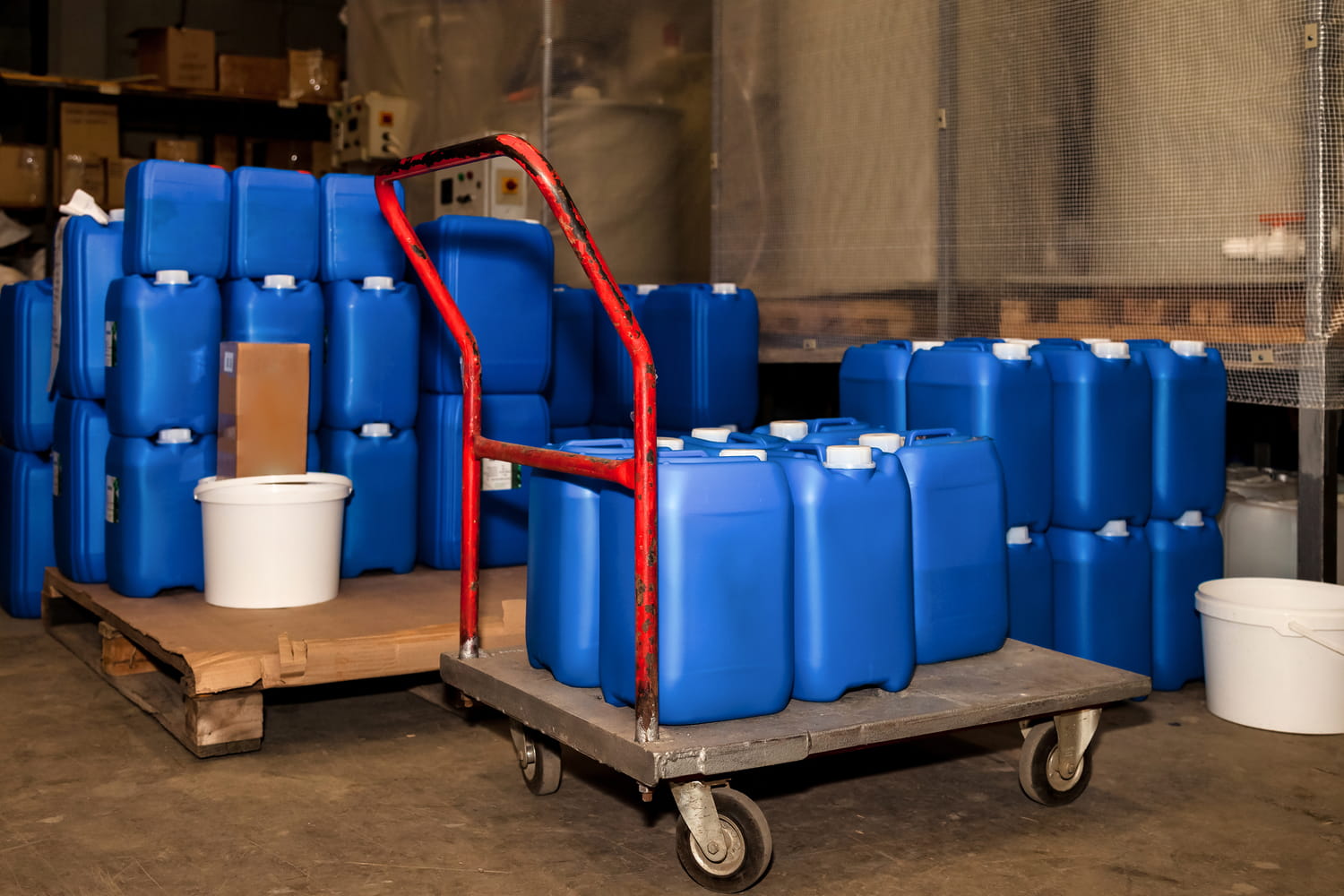
- Inventory received and stored at a full-service warehouse terminal, with container deconsolidation and consolidation handled on arrival
- Sorting, labelling, and palletizing managed by warehouse staff rather than the retailer’s own team
- Inventory visibility maintained through a web-based warehouse management system, giving the retailer real-time stock data without being physically present
- Outbound distribution coordinated from the warehouse directly to end customers or retail destinations
The retailer’s job becomes managing the product and the customer relationship. The 3PL’s job is everything in between.
The Geography Problem in Canadian E-Commerce
Canada’s geography is one of the most underappreciated constraints in domestic e-commerce fulfillment. The country spans six time zones. The population is concentrated in a corridor that runs from Vancouver through Calgary to Toronto — and serving that corridor from a single fulfillment point introduces transit time and cost variables that compound quickly as order volume grows.
A business fulfilling all orders from a single Toronto warehouse absorbs long haul freight costs on every order going west of Ontario. The reverse is true for Vancouver-based operations shipping east. Neither model scales efficiently.
Full-service warehouse terminals in Toronto, Vancouver, and Calgary provide exactly that kind of geographic spread — allowing retailers to position inventory closer to the customer segments they serve most, reducing outbound transit times and freight costs simultaneously.
Inbound Freight: The Fulfillment Step Most Retailers Get Wrong
There is a tendency in e-commerce logistics planning to think backwards from the customer: pack the order, ship to the door, done. The harder problem — and the one with more leverage — is the inbound side.
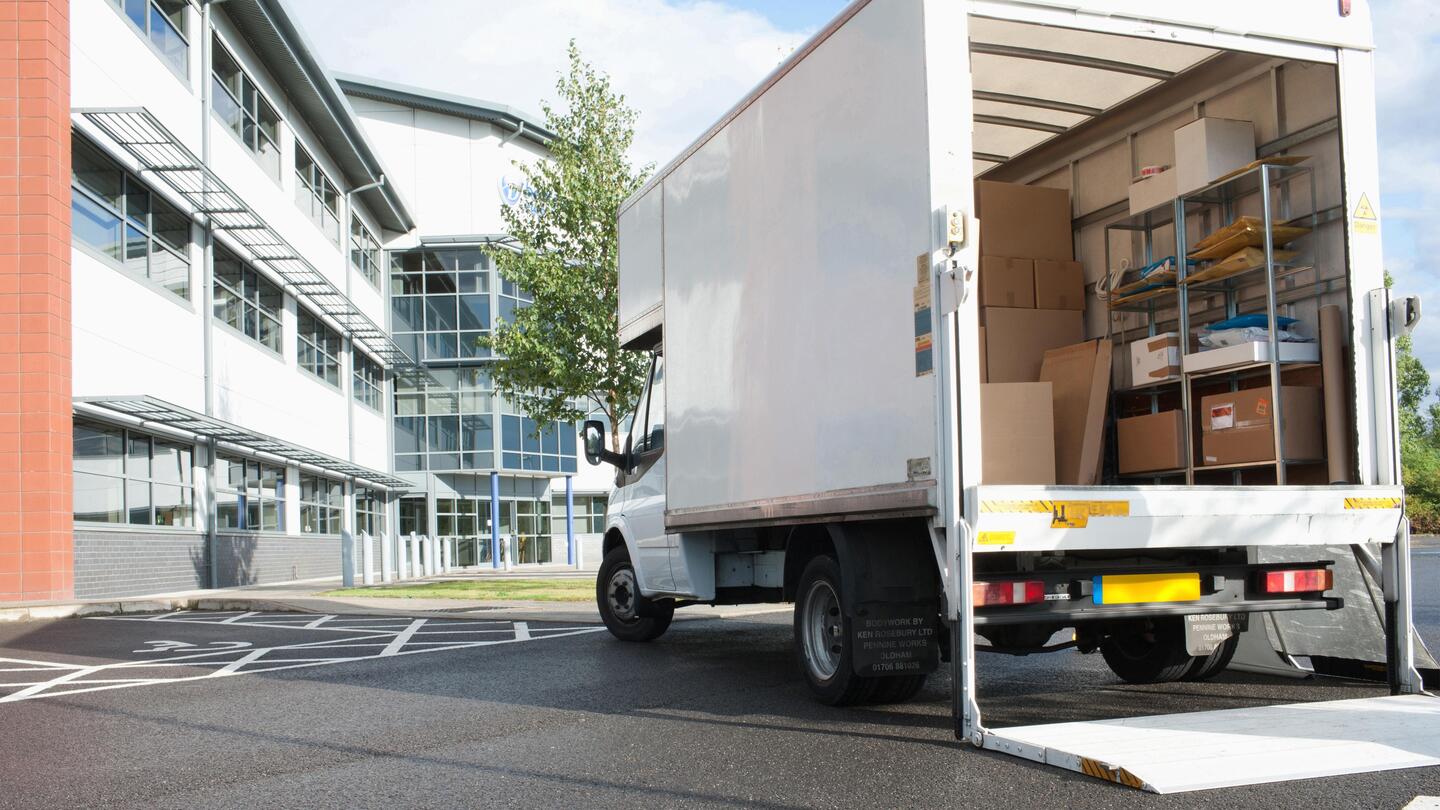
Goods arriving from overseas manufacturers typically move in ocean containers. Before a single order ships to a customer, that container has to be received at port, cleared through customs, transported to the warehouse, deconsolidated, sorted, checked, labelled, and put away. Each of those steps is a potential delay, and in the world of e-commerce, a two-week inbound delay is a two-week stockout.
For product categories where storage conditions are a factor — not just ambient-temperature general merchandise, but goods with specific handling or regulatory requirements that affect how and where they can be warehoused — the inbound process becomes even more consequential, since the wrong facility or handling step can affect product integrity before the first order ever ships.
Managing the inbound chain well, from port pickup through to put-away, is where a 3PL partner with trans-loading capability, container deconsolidation, and secure yard storage adds disproportionate value for e-commerce businesses.
Inventory Control: Visibility Is a Fulfillment Tool
Stockouts and oversells are among the most damaging problems an e-commerce retailer can have. Both are, at their core, inventory visibility failures.
A web-based warehouse management system (WMS) gives e-commerce businesses real-time access to their stock levels, inbound receipts, and outbound movements — without requiring physical presence at the warehouse. That level of visibility matters not just for operations, but for purchasing: it allows buyers to replenish at the right time, negotiate better with suppliers based on accurate consumption data, and avoid both the cash drain of excess inventory and the revenue loss of a stockout.
The retailers who treat inventory control as a warehousing function — rather than a separate software problem — are the ones who find the most value in a 3PL relationship. When the WMS lives inside the facility that actually holds the stock, the data and the physical reality stay in sync.
Short and long-term storage options, both in-yard and inside the warehouse, give e-commerce businesses the flexibility to hold safety stock, manage seasonal volume surges, and stage promotional inventory without committing to fixed square footage they may not need year-round.
Fulfillment as a Growth Lever, Not Just a Cost Centre
The framing that limits most e-commerce businesses is treating fulfillment purely as a cost to minimize. It is a cost — but it’s also a direct determinant of customer experience, repeat purchase rate, and the speed at which the business can respond to demand.
When orders ship accurately and on time, customers return. When inventory is positioned across the country rather than concentrated in one location, delivery windows shrink and conversion rates on time-sensitive purchases improve. When the inbound chain is managed cleanly, new product launches don’t get delayed by warehouse backlogs.
We operate full-service 3PL warehousing terminals in Toronto, Vancouver, and Calgary, supported by a network of 50+ carrier relationships across North America through our TFI International partnership. Our capabilities include inventory management via web-based WMS, container deconsolidation, trans-loading, sorting, labelling, palletizing, and both short and long-term storage. For e-commerce businesses ready to move beyond the limits of self-managed fulfillment, we’re built for exactly that transition.
Ready to scale your fulfillment operation? Request a quote or reach out to our team to talk through your requirements.



 imunify-bot-check