
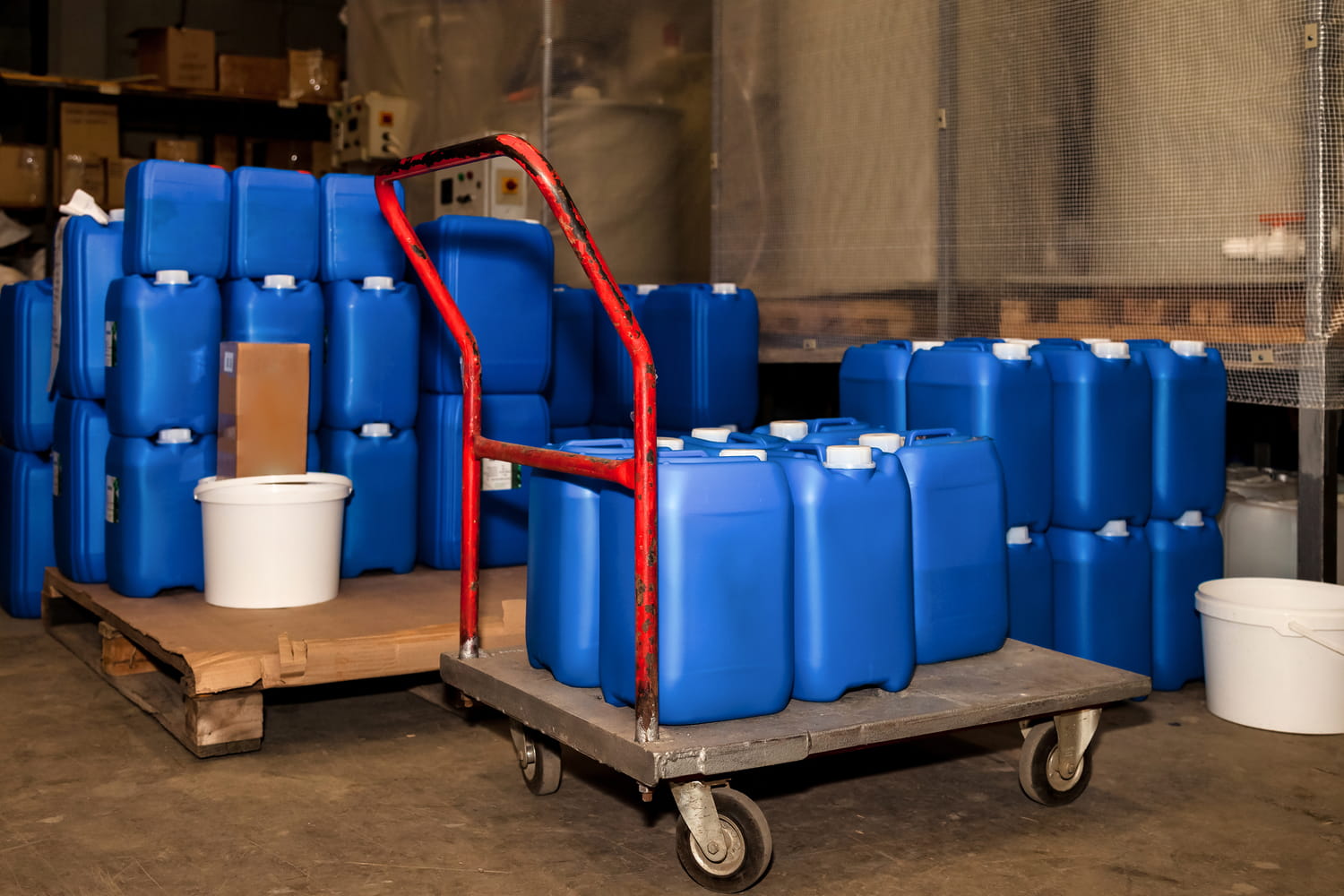
Shipping hazardous materials in Canada is a heavily regulated undertaking, and for good reason. Whether it’s industrial chemicals, flammable liquids, compressed gases, or controlled substances, the consequences of a non-compliant or improperly managed HAZMAT shipment extend well beyond the freight itself. Regulatory penalties, liability exposure, environmental risk, and public safety are all in the frame. We’ve spent over 50 years moving freight across Canada for clients in industries including oil and gas, energy, aerospace, marine, steel, and manufacturing, sectors where dangerous goods shipments are often a routine part of operations rather than an exception. Understanding the regulatory framework and what it demands in practice is the foundation for getting it right.
Here is a clear breakdown of what Canadian businesses handling hazardous materials need to know.
The Regulatory Framework: Who Makes the Rules
Hazardous materials transportation in Canada is governed primarily by the Transportation of Dangerous Goods Act (TDGA), administered by Transport Canada. The Act and its associated regulations set out the requirements for classifying, documenting, packaging, marking, labelling, and transporting dangerous goods by road, rail, air, and marine modes within Canadian jurisdiction.
The key regulatory documents shippers and carriers work with are:
- The Transportation of Dangerous Goods Regulations (TDGR), which contain the detailed technical requirements
- Safety Data Sheets (SDS), formerly MSDS, which document the properties and hazards of specific substances
- UN Model Regulations, which underpin Canada’s classification system and align it with international standards
Transport Canada conducts inspections and enforcement across modes. Non-compliance can result in administrative monetary penalties, stop orders, and in serious cases, criminal liability. The regulations are updated regularly, and shippers are expected to stay current.
The Nine Classes: Getting Classification Right
Every dangerous good in Canada is assigned to one of nine hazard classes under the TDGR. Getting the classification right is not a formality. It determines which packaging standards apply, what placards and labels are required, what documentation must accompany the shipment, and which quantities trigger additional requirements.
The nine classes cover: explosives, gases, flammable liquids, flammable solids and related categories, oxidizing substances and organic peroxides, toxic and infectious substances, radioactive materials, corrosives, and miscellaneous dangerous goods.
Misclassification is one of the most common compliance failures in HAZMAT shipping. It typically happens when a shipper relies on outdated SDS information, applies the wrong packing group, or fails to recognize that a mixture may qualify as dangerous goods even if its individual components do not.
Packaging, Marking, and Labelling: Where Compliance Is Made Visible
The physical presentation of a HAZMAT shipment tells everyone in the chain, from the driver to the carrier to the receiving dock, what they are handling and what precautions apply.
Packaging must meet UN performance standards appropriate to the substance and packing group. The container must be compatible with the goods, must not react with them, and must be capable of withstanding the mechanical stresses of transport.
Marking requirements include the UN number, the proper shipping name, and packing group where applicable, displayed on the outer packaging in a specified format and size.
Labels are the diamond-shaped hazard indicators that correspond to the goods’ hazard class. They must be affixed to the package in a location that is clearly visible and not obscured by other markings.
Placards are required on vehicles and containers carrying dangerous goods above certain quantities. They are larger versions of the hazard labels and allow emergency responders and transport workers to identify the hazard class of the load from a distance.
Documentation: The Shipping Document and What It Must Contain
Every dangerous goods shipment in Canada must be accompanied by a shipping document that contains specific required information. Transport Canada’s requirements for the shipping document include the UN number, proper shipping name, hazard class, packing group, quantity, number and type of packages, and the name and address of both consignor and consignee.
The document must be immediately accessible to the driver during transport. In the event of an incident, emergency responders rely on this document to understand what they are dealing with.
For cross-border shipments, the documentation requirements expand. The shipper may need to satisfy Canada’s TDGR, US DOT 49 CFR requirements, and in the case of international ocean freight, IMDG Code requirements, depending on the routing. The documentation package needs to be complete before the shipment moves, not assembled under time pressure at a border crossing.
Emergency Response Assistance Plans: When ERAP Is Required
For certain classes and quantities of dangerous goods, Transport Canada requires the shipper to have an approved Emergency Response Assistance Plan (ERAP) in place before the shipment can move.
ERAPs apply to some of the highest-consequence dangerous goods categories, including certain gases, flammable liquids, toxic gases, and radioactive materials above threshold quantities. The ERAP must be approved by Transport Canada and must be activated in the event of a transport incident involving the covered goods.
Having an ERAP is not just a compliance box. It’s an operational commitment to having trained responders, equipment, and procedures in place to support emergency services if something goes wrong. Shippers who trigger the ERAP threshold and ship without an approved plan face significant regulatory consequences.
Choosing the Right Carrier and Logistics Partner for HAZMAT Freight
Regulatory compliance on dangerous goods starts with the shipper, but it doesn’t end there. The carrier handling a HAZMAT shipment must also be equipped, certified, and operationally prepared to carry the goods in question.
Key considerations when selecting a logistics partner for HAZMAT freight:
- Does the carrier have experience in the relevant industry sectors, including oil and gas, energy, marine, or industrial chemicals?
- Do they have the equipment range to handle the specific requirements of the shipment, whether that means bonded cross-border moves, specialized trailer configurations, or coordination with inspection authorities?
- Can they provide seamless coordination at ports and border crossings, where CBSA examination demands and cross-border regulatory alignment need to be managed in real time?
- Do they track shipments daily and maintain direct communication with their operations team throughout the move?
We operate across Canada, the US, and Mexico with a network of 50+ carrier relationships through TFI International, and our team has direct experience serving the oil and gas, energy, aerospace, marine, steel, and manufacturing sectors where dangerous goods requirements are a standard part of the freight picture. Whether it’s coordinating bonded cross-border movements, managing CBSA inspection demands at our sufferance facilities in Toronto, Vancouver, and Calgary, or handling the full range of specialized equipment requirements that come with industrial and energy sector freight, we build compliance and coordination into how shipments are managed from the start.
Shipping dangerous goods? Request a quote or talk to our team about your HAZMAT freight requirements.







 imunify-bot-check