

Getting an accurate freight quote is simple once you know what a carrier needs from you. The shippers who find it effortless are not the ones who ship most often. They are the ones who have the right details ready when they pick up the phone, which lets us build a quote that holds and a delivery plan that works.
If you only ship occasionally, this is the checklist worth keeping. It covers what to measure, what to mention about each end of the trip, and the handful of details that let us put your shipment on the right truck the first time.
Full Truckload or LTL: Which One Your Shipment Needs
Less than truckload, or LTL, means your freight shares a trailer with other shipments and you pay for the space you use. Full truckload means the trailer is yours alone. The crossover point sits somewhere around six pallets or 5,000 kilograms, though that is a guideline rather than a rule.
Volume is not the only consideration. A full truckload often suits fragile or high-value goods even at lower volumes, because the shipment is loaded once and unloaded once rather than being handled at terminals along the way. Fewer touches means less risk to the goods.
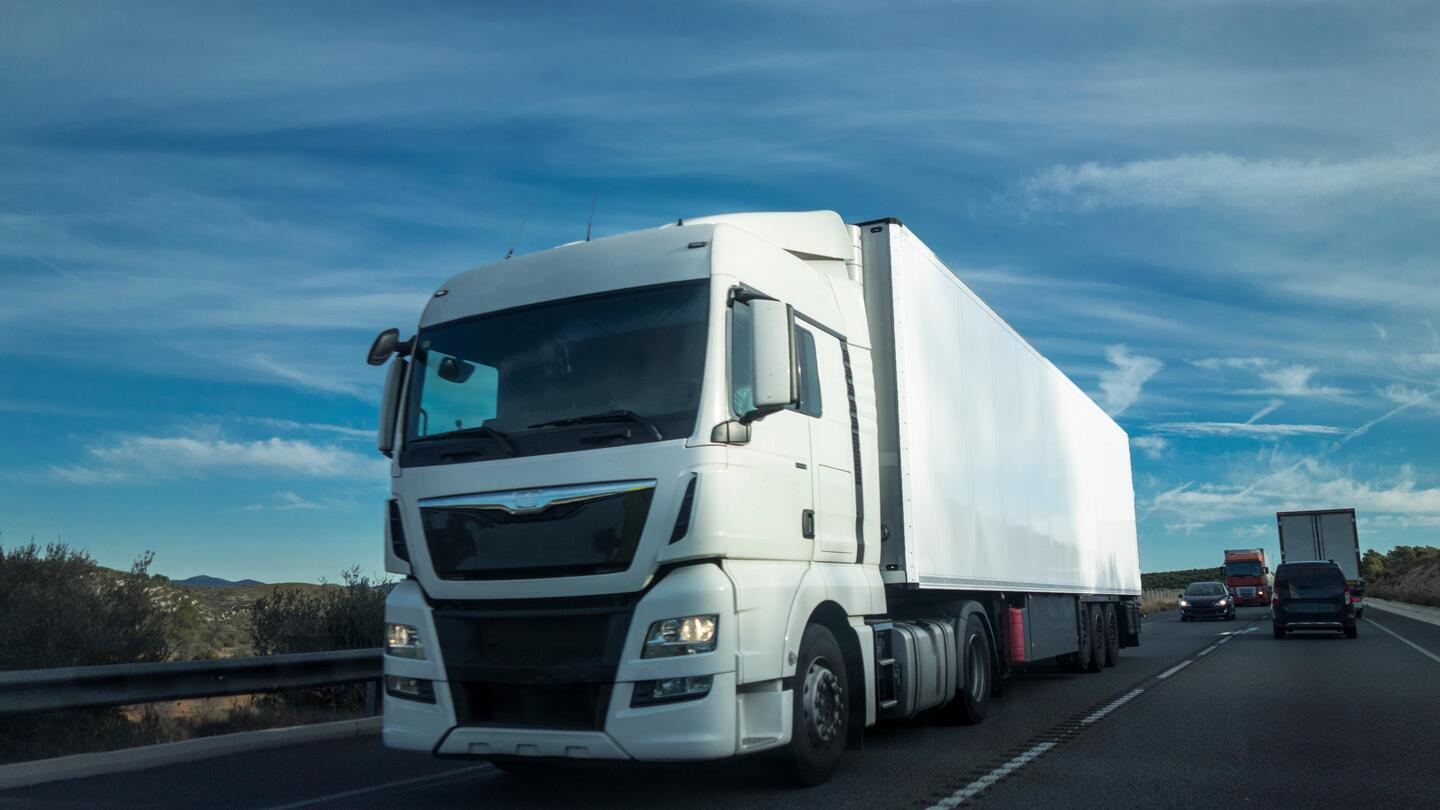
Transit time differs as well. A full truckload travels directly, while LTL freight moves through a terminal network and takes a little longer for a lower price. Tell us your deadline when you ask for a quote and we will tell you which option meets it. For a deeper comparison, see our guide to truckload vs. less than truckload.
Measuring and Weighing Your Freight
LTL pricing reflects the space a shipment occupies as well as its weight, which is why a light but bulky load can price higher than a heavy compact one. The dimensions you give us therefore matter as much as the number on the scale.
Measure the pallet as it will actually ship. Include the pallet itself, anything that overhangs the edges, and the highest point of the load, shrink wrap domes included. Then weigh the whole thing as a unit. Those four numbers, plus a description of the goods, are what a freight quote is built from.
Freight is weighed and measured again when it enters the network, which is standard practice across the industry. When the figures match what was booked, the freight quote you were given is the price you pay, and nothing needs revisiting.
Packaging and Palletizing for Safe Handling
Freight travels by forklift, pallet jack and conveyor rather than in someone’s arms. Anything you ship should be able to be lifted from two sides, stacked, and moved without a person steadying it.
Use a pallet in sound condition, keep the load within its footprint, and shrink wrap down to and around the pallet so the goods and the base move as one. Corner boards protect soft edges. Label every piece individually, because a labelled pallet is easy to reunite with the rest of a shipment.
If something genuinely cannot be palletized, just say so. There are good ways to handle loose and oddly shaped freight, including flatbed and specialized equipment, and we would rather design the booking around it than meet it for the first time at pickup.
Pickup and Delivery Details Worth Mentioning
Most of what affects a freight price has nothing to do with the goods. It is about what the truck finds at each end of the trip, and all of it is easy to plan for when we know in advance.
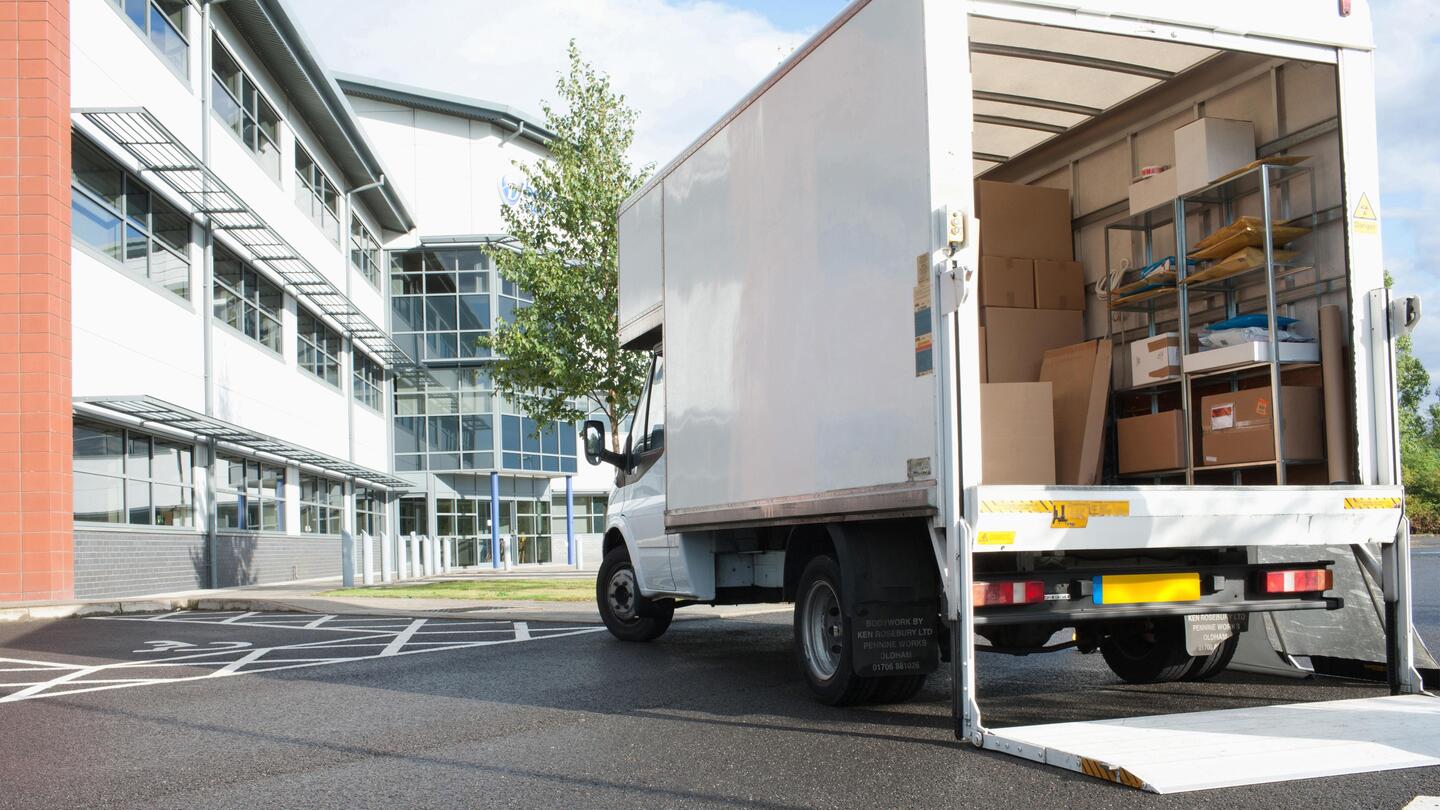
Tell us whether each location has a loading dock or a forklift, because without one the truck needs a liftgate. Mention residential addresses, inside deliveries, timed or appointment windows, and limited-access sites such as construction projects, farms and self-storage facilities. Each of these changes the equipment or the time the driver needs on site.
Unloading speed is worth a word as well. Drivers have a set amount of free time at each stop, so if the receiving end is slow or requires a booked appointment, let us know and we will schedule the delivery with that in mind.
Paperwork: Bills of Lading and Cross-Border Documents
The bill of lading is the contract of carriage and the record of your shipment. It sets out what is moving, who is sending it, who is receiving it and the declared value. Check the piece count and description before the driver leaves, as any later claim is assessed against what it says.
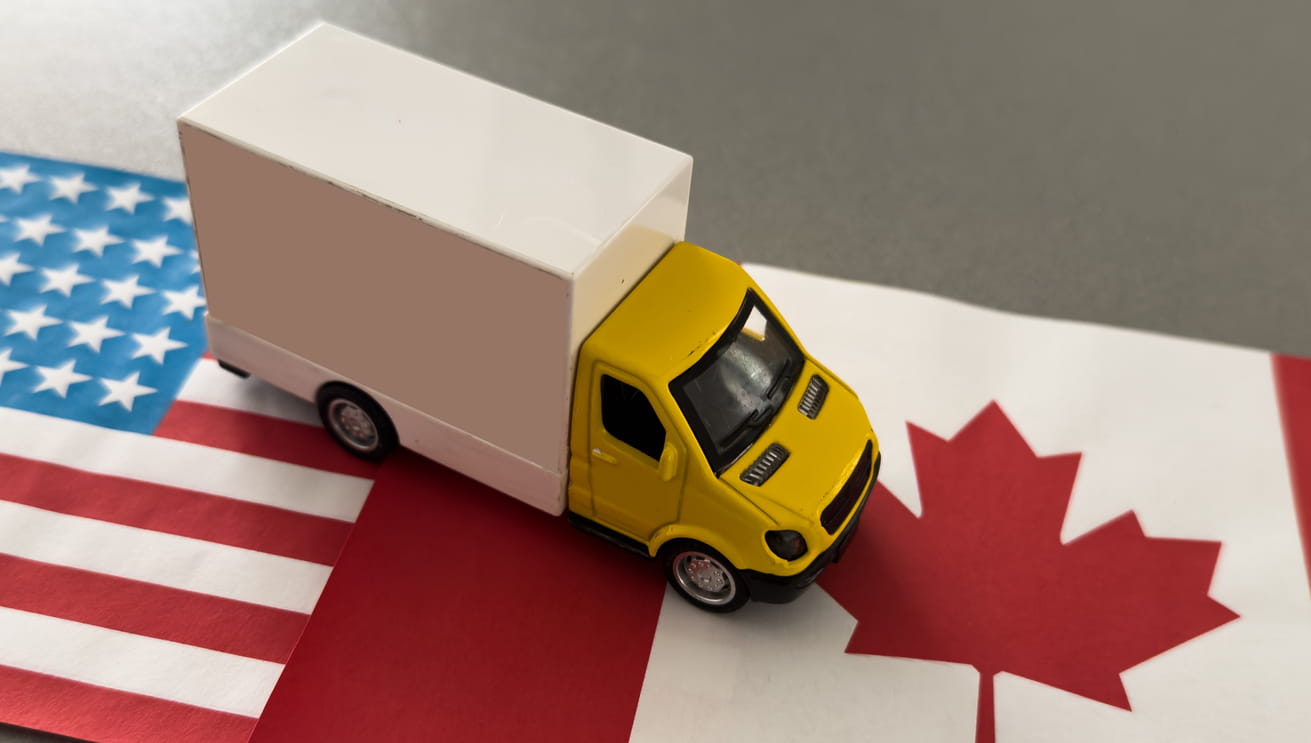
Shipments heading into the United States also need a commercial invoice showing accurate values and country of origin, along with a customs broker arranged beforehand. Our guide to Canadian customs clearance covers the documents in more detail. Border delays are far more often a paperwork issue than a traffic issue, which makes them one of the easiest delays to avoid entirely.
Warehousing and Storage in Calgary
Freight does not always arrive on the day you want it. Sites run late, receiving departments close, and several inbound shipments often need to become one delivery rather than three.
Receiving goods into a warehouse terminal gives you somewhere secure, indoors and staffed to hold them until you are ready. It takes the pressure off accepting a delivery on an awkward day, and consolidating shipments before the final leg is usually cheaper than taking each one separately.
Shipments That Need a Different Kind of Carrier
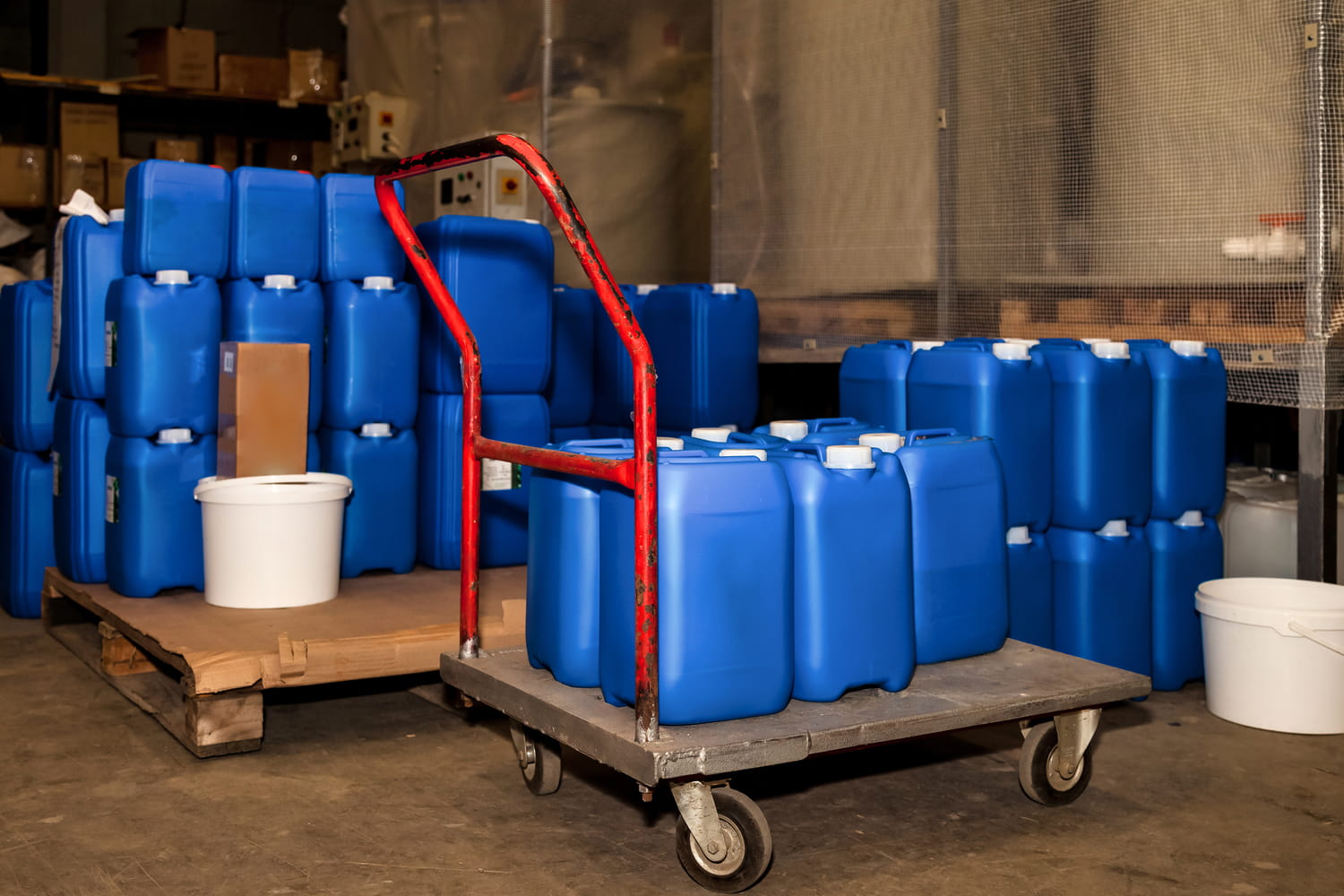
Part of giving you a straight answer is telling you when another service fits better. Household goods moves belong with a moving company, dangerous goods need a carrier certified for the specific class, and anything temperature-sensitive needs refrigerated equipment booked as such.
Personal vehicles come up most often. A car can travel on a flatbed, but it is rarely the most economical way to move one. Dedicated car carriers take several vehicles at a time and secure them by the wheels, which is what the manufacturer intends and what keeps the cost per vehicle down.
So if you are relocating to Alberta, buying out of province or bringing a vehicle home at the end of a contract, car shipping with a specialist such as Automoves is the service to ask for. Your freight and your vehicle can travel at the same time, just on the right equipment for each.
Frequently Asked Questions
What information do I need to get a freight quote?
Have the dimensions and weight of each piece as it will ship, a description of the goods, the full pickup and delivery addresses, and the details of what is available at each end, such as a dock, a forklift or an appointment requirement. With those in hand, a freight quote takes only a few minutes.
How many pallets before I should book a full truckload?
Around six pallets or 5,000 kilograms is the usual crossover, but it depends on the freight. Fragile, high-value or awkwardly shaped shipments often suit a full truckload at lower volumes, because the load is handled once at each end rather than at every terminal in between.
What is a liftgate and do I need one?
A liftgate is a powered platform on the back of the truck that lowers freight to ground level. You need one if either location has no loading dock and no forklift. It is a routine service and easy to arrange, though it has to be requested in advance because not every truck carries one.
How do I measure a pallet for shipping?
Measure the length, width and height of the loaded pallet exactly as it will travel, including the pallet and any overhang, and measure up to the highest point of the load. Weigh it as a complete unit. Those figures give the carrier everything needed to price and plan the shipment.
What is a bill of lading?
It is the contract between you and the carrier, and the legal record of the shipment. It lists the shipper, the consignee, the piece count, a description of the goods and the declared value. Review it before the driver leaves so that the paperwork matches what is physically on the truck.
Can a freight company ship my car?
A freight carrier can move a vehicle on a flatbed, though it is seldom the best value for a single car. Vehicle transport companies run purpose-built carriers that take several cars at once, which brings the price per vehicle down and suits passenger cars better than general freight equipment.
Get a Freight Quote From Our Calgary Terminal
If you are not sure what your shipment needs, call us before you book. A short conversation about what you are sending, where it is going and what is available at each end is usually all it takes to get you a firm number and a date you can plan around.
You can also request a freight quote online and we will follow up with any questions.
Stream Logistics Calgary is at 4601 46th Avenue SE, Calgary, Alberta T2B 3N6. Call (403) 243-7455 or fax (403) 243-0742, Monday to Friday, 8:00 to 16:30 MT, excluding statutory holidays.




 imunify-bot-check