
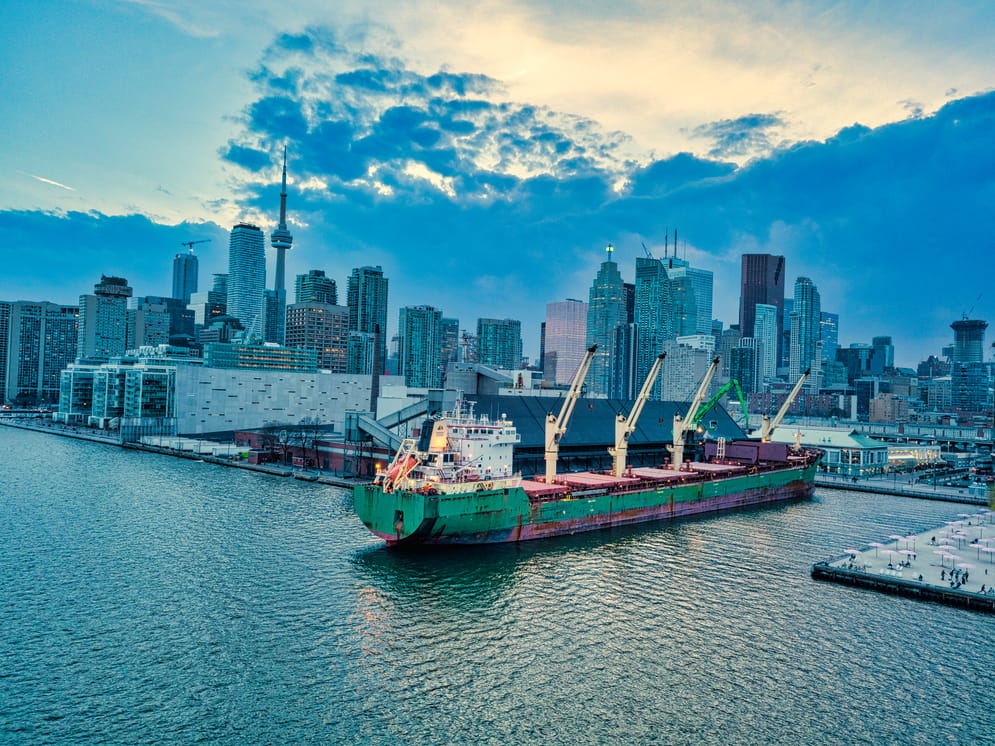
The rules of cross-border shipping between Canada and the United States are shifting — and for businesses moving freight across the border, the margin for strategic error is narrowing. We’ve spent over five decades navigating the complexity of Canadian freight, and one thing has always been true: when trade policy changes, supply chains either adapt or absorb the cost.
Here’s what every shipper needs to understand right now.
The Tariff Pressure Is Real — and It’s Cascading
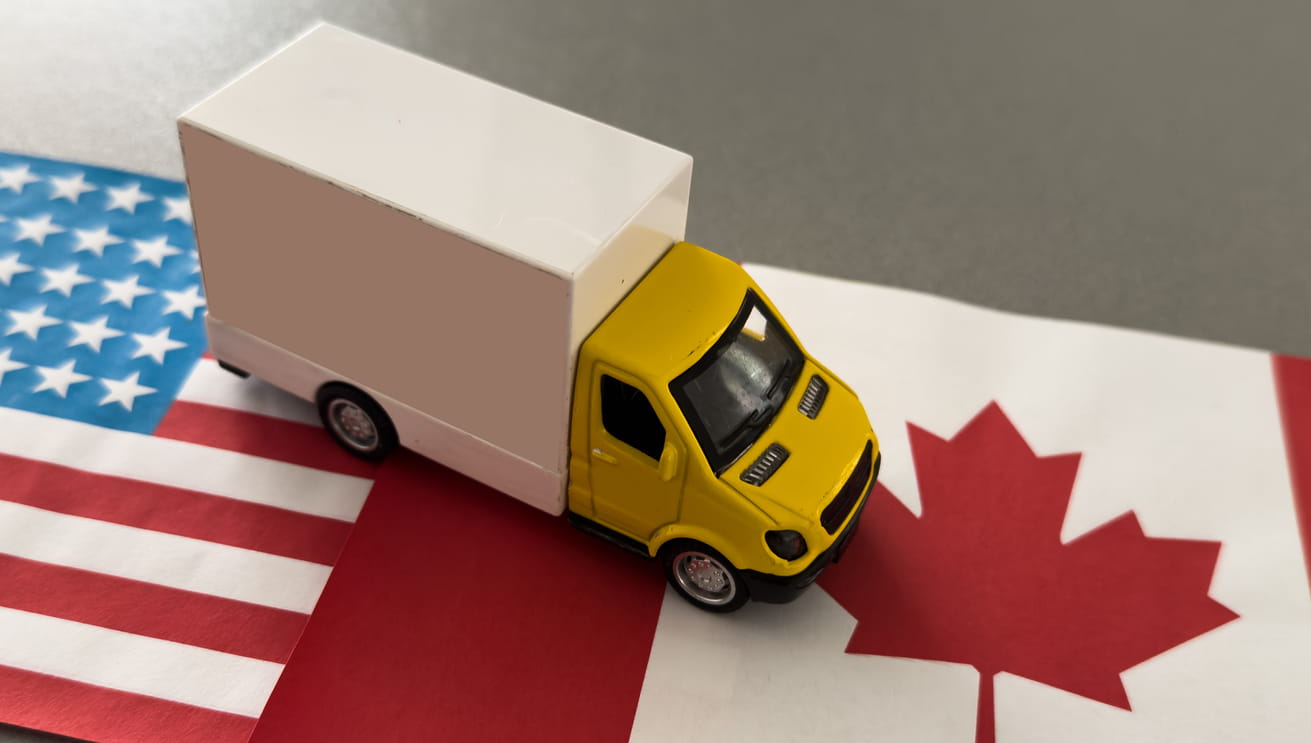
Since early 2025, a wave of reciprocal tariffs between Canada and the US has driven up landed costs for a wide range of goods, from steel and aluminum to consumer products. Canada’s retaliatory tariffs on select American imports have added friction to previously straightforward cross-border moves.
What makes this cycle particularly challenging is the cascading effect: tariffs don’t just raise the cost of the goods themselves. They raise the cost of every logistics decision around those goods — storage timing, entry point selection, mode of transport, and documentation strategy.
Shippers who treat this as a one-time surcharge rather than a structural shift are setting themselves up for repeated surprises.
Rethinking Entry Points and Routing
Not all border crossings are equal, and that’s never been more relevant.
Why this matters:
- Different ports of entry have different processing volumes, inspection rates, and CBSA staffing levels
- Congestion at one gateway can add days to delivery timelines and compound detention costs
- *Certain Canadian gateway cities — particularly those handling high import volumes from the Pacific — are seeing compounding delays when customs holds intersect with carrier capacity crunches
Shippers currently routing everything through a single entry point out of habit should map their options. In some corridors, a longer overland route through a less congested border crossing delivers faster, more predictable outcomes than the geographically shorter path.
Bonded Warehousing as a Tariff Buffer
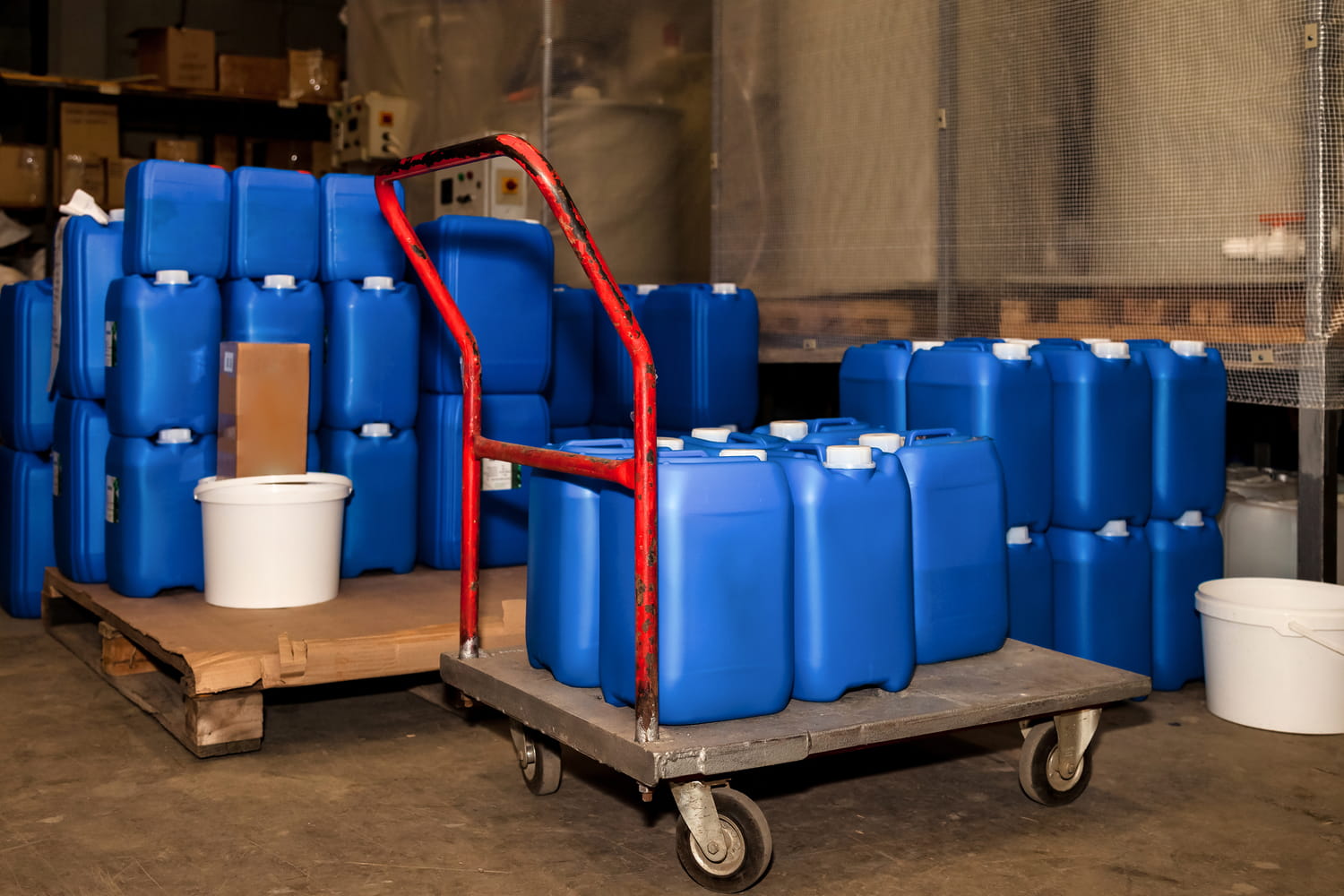
One of the most underutilized tools in a cross-border shipper’s playbook right now is bonded and sufferance warehousing.
When a shipment arrives in Canada and cannot immediately clear customs — due to inspection demands, documentation issues, or CBSA holds — goods can be moved “in bond” to a licensed sufferance facility. This prevents your driver from burning hours waiting at the border and keeps the rest of the shipment moving.
The strategic value goes further:
Bonded storage lets importers defer duty and tax payment until goods are formally released into Canadian commerce. In a tariff-volatile environment, that deferral window gives procurement teams breathing room to assess landed cost before committing inventory downstream.
Intermodal’s Role in Cost Management
Road-only cross-border freight is taking a disproportionate hit from tariff-driven rate volatility. Carriers are adjusting pricing structures in response to demand shifts, and spot rates on certain US-Canada truck lanes have been unpredictable.
Intermodal — combining long-haul rail economics with truck pickup and delivery on both ends — offers a more cost-stable alternative for shippers with flexibility on transit time. Rail’s fixed infrastructure costs don’t respond to tariff headlines the way spot truck rates do.
For lanes between major Canadian cities and US distribution hubs, intermodal moves both full truckload and LTL freight with door-to-door service. The key is having a logistics partner that tracks shipments daily and handles appointment and drop-trailer requirements on both sides of the border — reducing the coordination burden on the shipper’s team.
Documentation and Classification: The Overlooked Cost Driver
Tariff changes have a direct relationship with commodity classification. When rates shift, the Harmonized System (HS) code assigned to your goods can mean the difference between a manageable duty and a margin-destroying one.
Shippers should audit their commodity classifications before assuming their current tariff exposure is fixed. Minor reclassifications, legitimate country-of-origin changes, or CUSMA eligibility reviews can yield meaningful duty savings — but only if the documentation is aligned before the freight reaches the border.
Keeping the Chain Moving: What Adaptable Shippers Are Doing
The businesses managing this environment most effectively share a few common traits. They’ve diversified their entry points. They’re using bonded storage strategically rather than reactively. They’ve evaluated intermodal as a complement to their truck-heavy networks. And they’ve tightened their documentation practices.
None of these are complex solutions — but they require a logistics partner with real infrastructure across Canada’s major corridors and the operational depth to execute.
We work with businesses shipping freight through Toronto, Vancouver, and Calgary — the three corridors where cross-border tariff pressure is being felt most acutely. Whether that means finding the right bonded warehouse solution, building a smarter intermodal plan, or simply having a team that responds fast when a PARS goes missing in the system, the goal is the same: keep your freight moving, and keep your costs from running ahead of your strategy.
Ready to review your cross-border freight approach? Get in touch with our team or request a quote.




 imunify-bot-check